
Specification
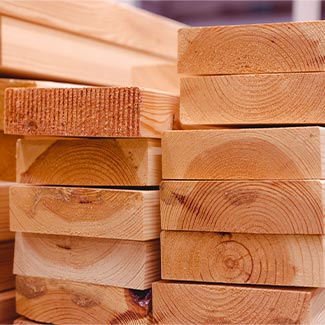
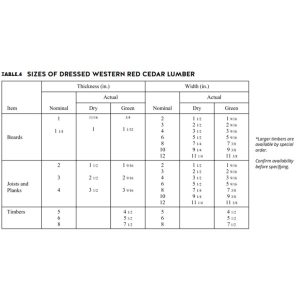
Specifying cedar lumber involves choosing the right species, grade, moisture content, texture, and dimensions for your project. To ensure structural success and visual appeal, follow this quick-reference guide.
-
 Dimensions
 -
Finish
-
Grades
Product Categories :
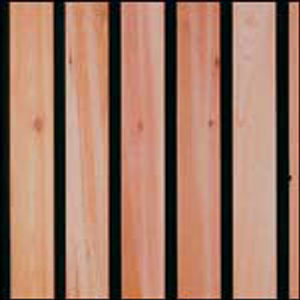
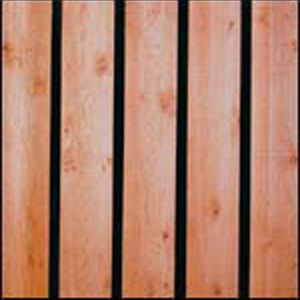
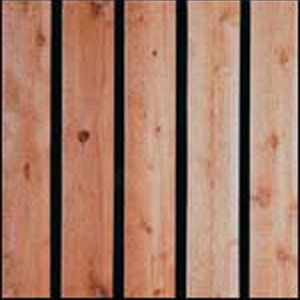
Key Attributes of Cedar Siding
- Natural Resistance: Contains natural oils and tannins that provide excellent resistance to decay and insect damage.
- Dimensional Stability: Outperforms many other softwoods in resisting warping, cupping, twisting, and checking.
- Thermal Efficiency: Acts as a natural insulator, offering approximately twice the thermal resistance of most commonly used wood species.
- Aesthetics: Features rich, warm colors, distinctive grain patterns, and a pleasant natural cedar aroma.
- Acoustic Barrier: Naturally absorbs sound to help create quieter indoor and outdoor spaces.
- Sustainability: A renewable, biodegradable material with a lower environmental footprint than many manufactured composites, PVC, or vinyl alternatives.
Siding Profiles & Styles
Cedar siding provides exceptional weather protection while offering a wide variety of architectural styles and installation options.
- Bevel Siding: A classic wedge-shaped profile installed in overlapping horizontal courses to create distinctive shadow lines.
- Tongue & Groove (T&G): An interlocking profile that creates a tight, seamless fit. It can be installed horizontally, vertically, or diagonally for both exterior cladding and interior walls or ceilings.
- Board & Batten: Wide vertical boards with narrow battens covering the joints to create a timeless rustic or modern farmhouse appearance.
- Channel & Shiplap: Overlapping or grooved board profiles designed to efficiently shed water while providing excellent weather resistance.
Paneling Features (Interior & Exterior)
Cedar paneling brings natural warmth, acoustic insulation, and the signature cedar aroma to both interior and exterior applications.
- Profiles: Most commonly available in Tongue & Groove (T&G) and Shiplap profiles for a secure, interlocking installation.
- Edge Details: Typically manufactured with V-joint bevels to define board lines, while fine-line (penny gap) and flush-joint options are also available for a cleaner appearance.
- Placement: Ideal for accent walls, ceilings, soffits, closets, saunas, and other interior or exterior architectural applications where cedar’s natural beauty and aroma can be appreciated.
Trim & Fascia Boards
Cedar trim and fascia boards provide both structural protection and refined finishing details around exterior architectural features.
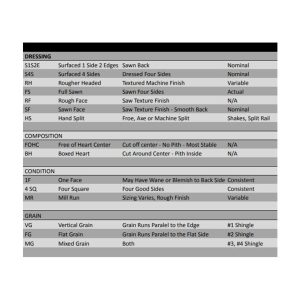
- Surfacing Options: Often milled as S1S2E (Surfaced One Side, Two Edges), offering one rough-sawn textured face and one smooth face to suit different design preferences.
- Finish Flexibility: Available in both smooth (S1S2E) and rough-sawn finishes.
- Engineered Options: Also available in finger-jointed and glue-laminated engineered formats for enhanced stability and longer lengths.
- Applications: Perfect for finishing windows, doors, corners, fascia boards, and rooflines.
Grading Systems – Selection Guide
Cedar products are sorted into specific grades based on their appearance and structural quality, following standards established by organizations such as the Western Red Cedar Lumber Association.
- Clear Cedar: Premium-quality material with little to no visible knots, making it ideal for contemporary, luxury, and formal architectural projects.
- Knotty (STK – Select Tight Knot): Features tight, sound knots that create a warm, rustic appearance, making it a popular choice for cabins, cottages, and traditional designs.
Pro Tip
To help prevent graying and weathering, apply a high-quality penetrating oil or tannin-blocking stain, and use corrosion-resistant fasteners such as stainless steel, coated, or hot-dipped galvanized nails and screws to avoid dark staining.
Learn More
Explore the Western Red Cedar Lumber Association for additional siding profiles, installation guides, and architectural design specifications.
Specification
Resources